Essential Kitchen Tools Every Beginner Cook Should Own
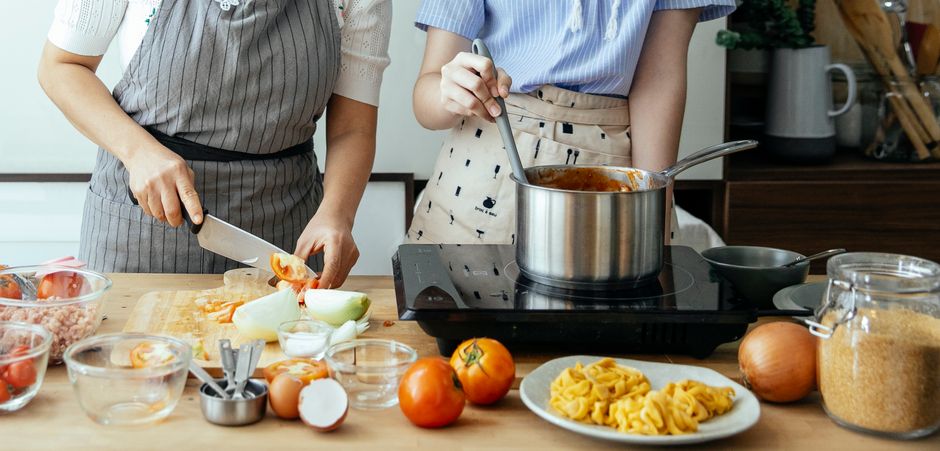
When beginning to cook at home, having a well-chosen set of tools can make the process more straightforward and enjoyable. Instead of acquiring a large collection of gadgets all at once, focusing on a few versatile pieces helps build a functional kitchen without overwhelming the cook. These essentials form the foundation for preparing a wide range of meals, from simple breakfasts to full dinners. Understanding the purpose and proper use of each tool also supports gradual skill development.
The selection of basic kitchen tools should reflect the types of dishes one plans to prepare most often. For many beginner cooks, the starting point includes a chef knife, a cutting board, a skillet, a saucepan, and a set of measuring cups. Each item serves a distinct role and can be used repeatedly across many recipes. Investing in reasonable quality from the beginning often reduces the need for early replacements and allows the cook to focus on technique rather than equipment limitations.
While personal preferences and cooking habits influence the final choice, certain features are widely considered helpful for beginners. This article outlines the key characteristics of each tool, along with practical considerations for choosing and maintaining them. The goal is to provide information that supports informed decisions without prescribing a single correct approach.
Selecting a Chef Knife
The chef knife is often central to daily kitchen work. Its broad blade and curved edge allow for rocking motions that chop, slice, and dice efficiently. A typical chef knife measures between 8 and 10 inches, which offers a balance between control and cutting capacity. For beginners, an 8-inch blade is frequently recommended because it feels manageable while still handling most tasks.
Blade material influences performance and longevity. Stainless steel knives are common due to their resistance to rust and ease of maintenance. High-carbon stainless steel sharpens more easily and holds an edge longer, though it requires occasional care to prevent staining. The handle should fit comfortably in the hand, providing a secure grip even when wet. Full-tang construction, where the blade extends through the handle, generally adds stability and balance.
Proper use and care extend a knife’s useful life. Using a cutting board made of wood or plastic protects the edge from dulling. Hand washing and immediate drying prevent corrosion. Regular honing with a steel rod realigns the blade between sharpenings, and periodic sharpening with a whetstone or professional service restores the edge when needed. Many manufacturers, such as Kitchen Craft, produce chef knives that balance affordability and quality for home cooks.
Choosing a Cutting Board
A cutting board provides a stable surface for knife work and protects both the blade and the countertop. Two common materials are wood and plastic. Wooden boards are durable, gentle on knife edges, and naturally antimicrobial when properly maintained. However, they require oiling to prevent drying and cracking. Plastic boards are lightweight, dishwasher safe, and less expensive, though they may develop grooves over time that can harbor bacteria.
Size matters for comfort and safety. A board that is too small can feel cramped, increasing the risk of slips. A board around 18 by 24 inches offers ample space for most tasks, though smaller boards work well for quick tasks like slicing fruit. Some cooks prefer having two boards: one for raw meat and another for produce, to reduce cross-contamination.
Cleaning practices should match the material. Plastic boards can be sanitized in the dishwasher or with a diluted bleach solution. Wooden boards should be washed with hot soapy water and dried promptly; they should not be submerged. A well-maintained cutting board can last for years and contributes to consistent, safe food preparation.
Picking a Skillet
A skillet, also called a frying pan, is among the most frequently used cookware pieces. Its wide, flat bottom and relatively low sides make it ideal for sautéing, searing, pan-frying, and even braising. For beginners, a 10- or 12-inch skillet is versatile enough to prepare meals for one to four people. Nonstick coatings simplify cooking delicate items like eggs and fish and make cleanup easier, but they require gentle handling to avoid scratching.
Stainless steel skillets offer even heating and excellent browning, though they have a learning curve for preventing sticking. Cast iron skillets retain heat very well and can go from stovetop to oven, but they are heavy and need seasoning to maintain their nonstick properties. Many cooks start with a nonstick skillet for everyday use and add a stainless or cast iron piece later for higher-heat cooking.
When selecting a skillet, consider compatibility with the cooktop type, weight, and handle comfort. A heavy-bottomed pan distributes heat more evenly and reduces hot spots. Oven-safe handles extend the skillet’s range of uses. With proper care, including avoiding metal utensils on nonstick surfaces and gradually heating cast iron, a skillet can serve reliably for many years.
Selecting a Saucepan
A saucepan is designed for cooking liquids and ingredients that require controlled heat over moderate to high temperatures. Its straight sides and small diameter concentrate heat, making it suitable for making sauces, boiling grains, heating soups, and simmering vegetables. A 2- to 3-quart saucepan is a practical size for most beginner recipes, as it holds enough for several servings without being unwieldy.
Materials influence performance. Stainless steel with an aluminum or copper core provides good heat conduction and resistance to staining. Nonstick saucepans ease cleanup for milk-based sauces or sticky foods, but may not achieve the same browning as stainless. A lid that fits snugly helps retain moisture and speed up cooking. A helper handle or a comfortable long handle improves control when pouring.
Using a saucepan effectively involves matching the heat level to the task. High heat for boiling water, then reducing to a simmer for gentle cooking. Stirring frequently prevents scorching, especially with dairy or thick mixtures. A saucepan that heats evenly and has clear markings for volume (though measuring cups remain more accurate) can simplify recipe execution.
Using Measuring Cups
Accurate measurement of ingredients contributes to consistent results, especially in baking and following new recipes. Measuring cups come in two main types: dry measuring cups and liquid measuring cups. Dry measuring cups are designed to be filled level with the top, using a straight edge to remove excess. Liquid measuring cups have a spout and allow reading the volume at eye level for precision.
Sets of dry measuring cups typically include sizes from 1/4 cup to 1 cup, and sometimes 2/3 cup and 3/4 cup. Liquid measuring cups often range from 1 cup to 4 cups. Having both types on hand is useful, though some cooks manage with a single set of adjustable measuring cups or a kitchen scale for weight-based measurement. A scale can be more accurate and is increasingly recommended for consistency.
Care involves washing after each use and ensuring cups are fully dry before storing. Plastic cups may degrade over time or absorb odors; glass or stainless steel options tend to be more durable and easier to clean. Proper measurement, combined with careful reading of recipes, helps beginner cooks develop a reliable understanding of ingredient proportions.